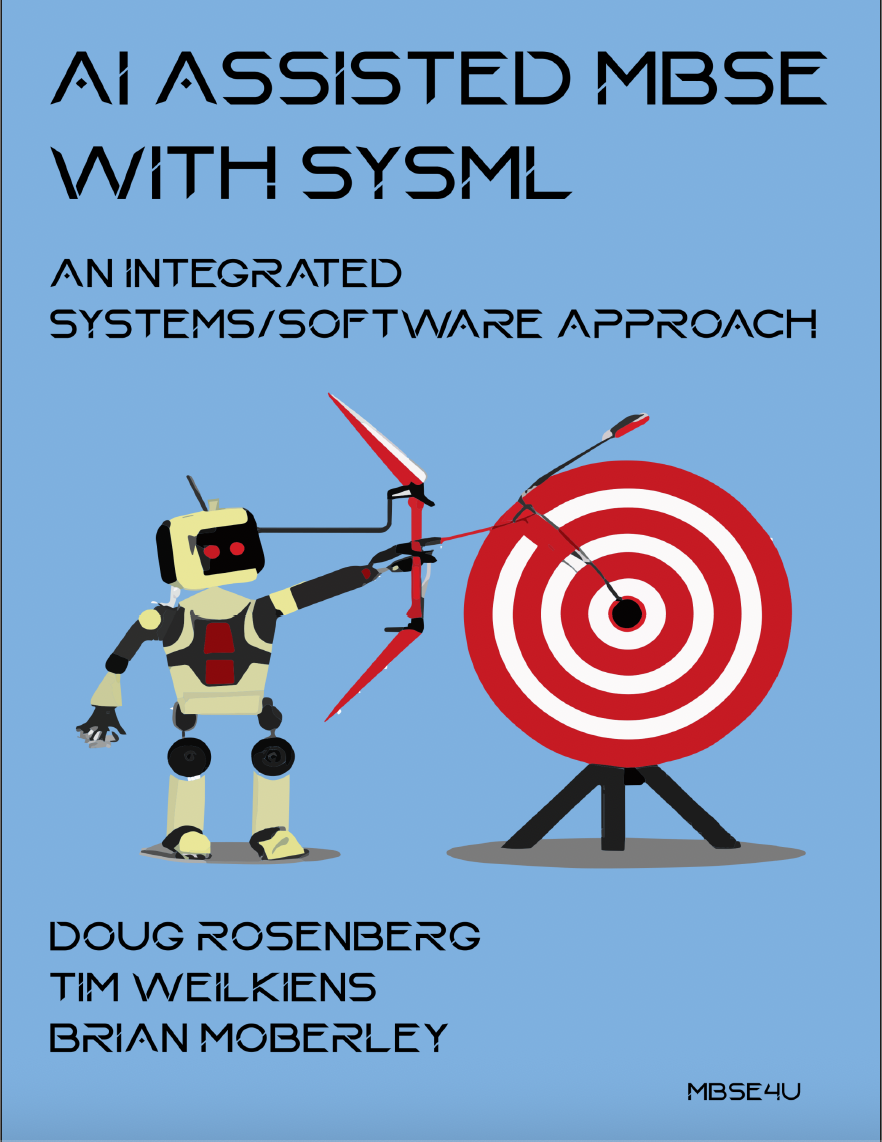
AI-Assisted MBSE
An Integrated Systems/Software Approach

Systems engineering, software engineering, and project management.
I don't write books just for the sake of writing books.
I usually write one because I see an important problem in the industry and think I have something useful—hopefully even insightful—to contribute toward solving it.
Over the years, those problems have led me down three closely related paths. The books below are organized into those three areas of interest.
For related conference talks, abstracts, and slide decks, visit the Papers and Presentations page.
I hope you'll find one that helps solve a problem you're working on.

An Integrated Systems/Software Approach
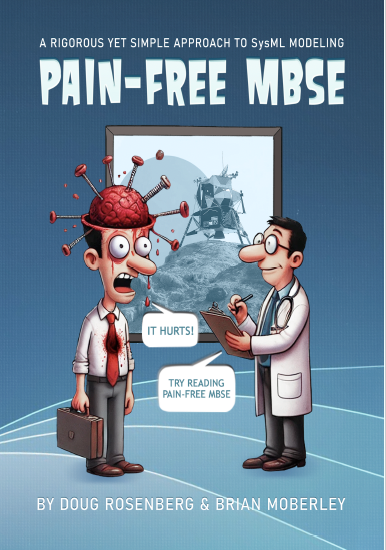
A Rigorous but Gentle Approach to SysML Modeling
An Illustrated Example using Enterprise Architect
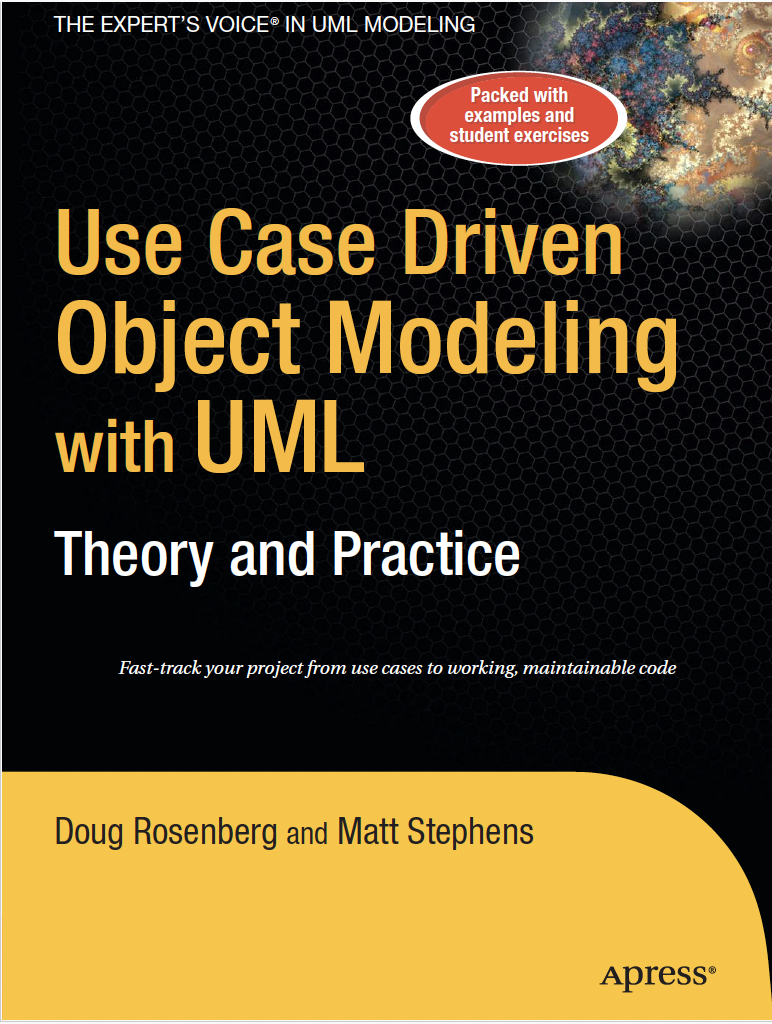
Theory and Practice
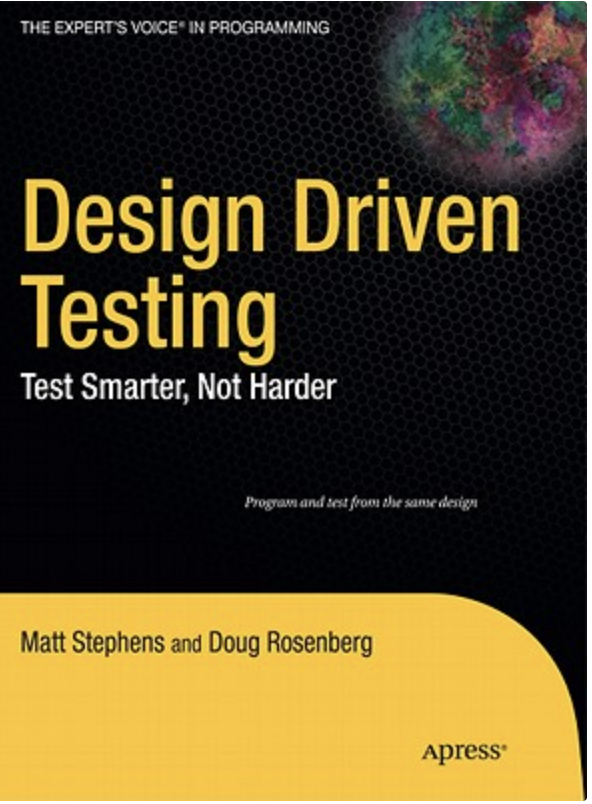
Test Smarter, Not Harder
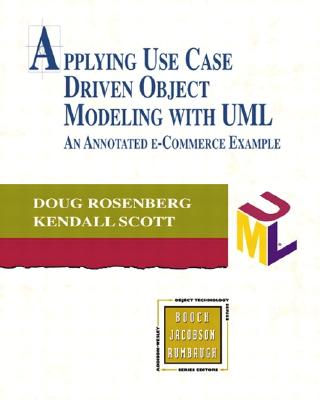
An Annotated e-Commerce Example
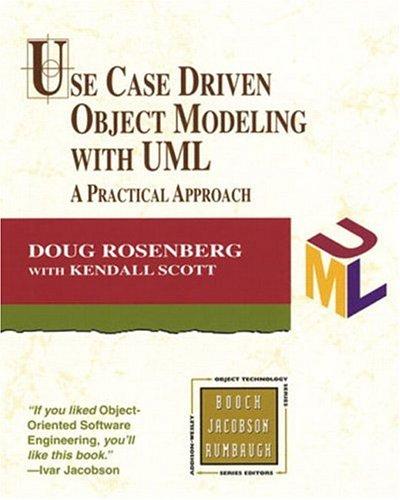
A Practical Approach
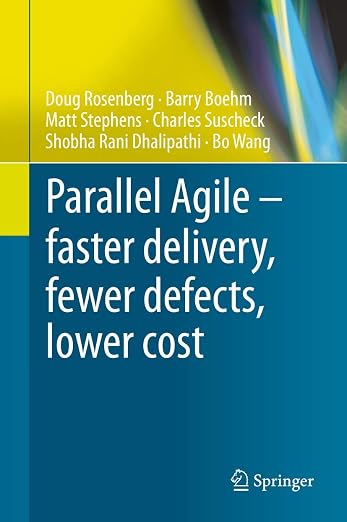
Faster Delivery, Fewer Defects, Lower Cost
Step-by-step guidance for BPM, SOM, embedded, and algorithm-intensive systems
People, Process, and Pragmatism
The Case Against XP
Although these books may appear to cover different subjects, I have always thought of them as parts of the same engineering discipline.
My early books focused on software engineering and object-oriented design. That work naturally evolved into systems engineering and Model-Based Systems Engineering, and more recently into AI-assisted engineering.
"Without software there is no system."
As software has become the defining element of modern systems, the boundaries between software engineering and systems engineering have largely disappeared.
Today my work focuses on helping engineers use AI to create better specifications, better SysML models, and ultimately better software. Modern coding agents are remarkably capable, but they still have to guess whenever a specification is incomplete. Better specifications help AI guess less, iterate less, and produce software that more closely matches the engineer's intent.
Looking back, I realize that every one of these books started with the same motivation: seeing a problem that needed solving and trying to contribute something useful to the engineering community.
